Educational tours
Loading search
Loading route filters
Loading routes
 Digital platform for popular science and industrial tourism in the Republic of Tatarstan
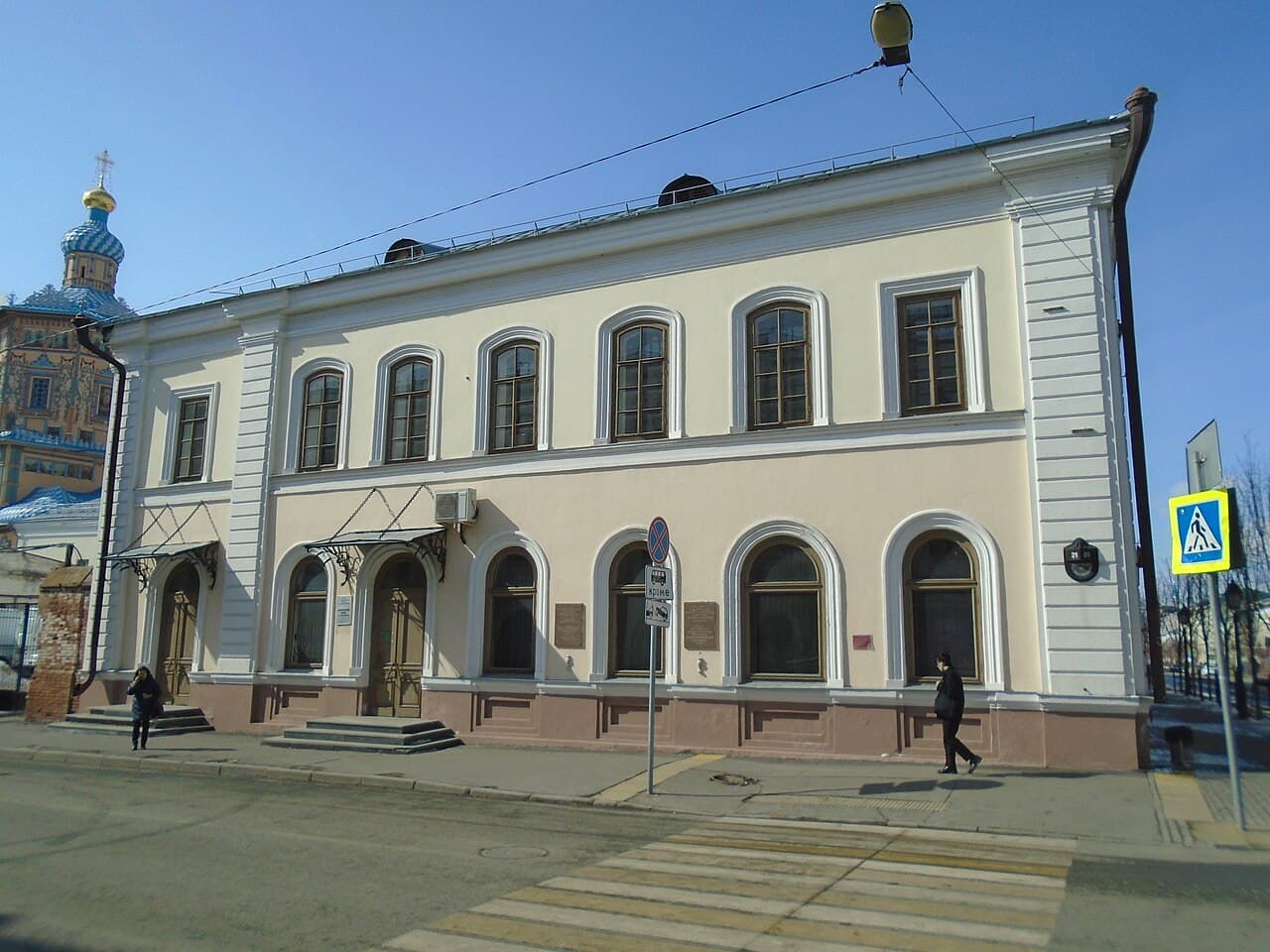
The A.A. Shtukenberg Geological Museum dates back to 1804, the founding of Kazan University. Its collection holds over 430,000 items from 60 countries — from a large ore and mineral collection to a complete mammoth skeleton found in 1898 and samples of lunar and Martian rocks.
Visit formats
Audience: families, school classes, geology students and anyone curious about Earth sciences.
Practical notes
In Russian: Title, Description
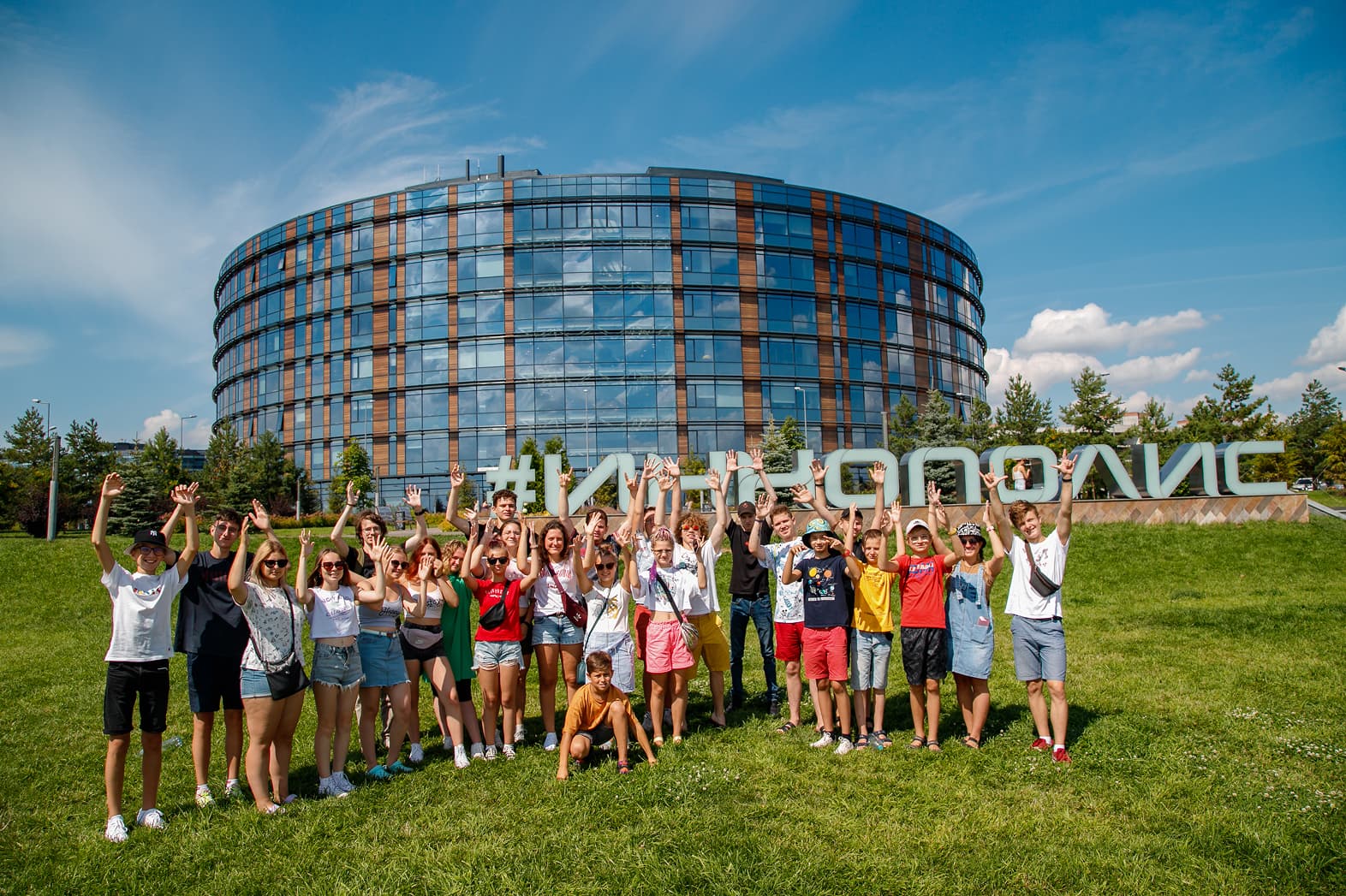
Поездка из Казани в Иннополис: университетский кампус, технопарк Попова, технологии городской среды и мастер-класс по искусственному интеллекту. После экскурсии участники попробуют составлять запросы к нейросетям и создавать собственные тексты и изображения.
Формат: экскурсия и практическое занятие, 6 часов с дорогой. Участники: школьники от 13 лет и студенты, группа до 50 человек.
Стоимость по запросу. В расписании предусмотрены трансфер из Казани и обратно и время на обед. Состав оплачиваемых услуг, место посадки и дату подтверждает организатор.
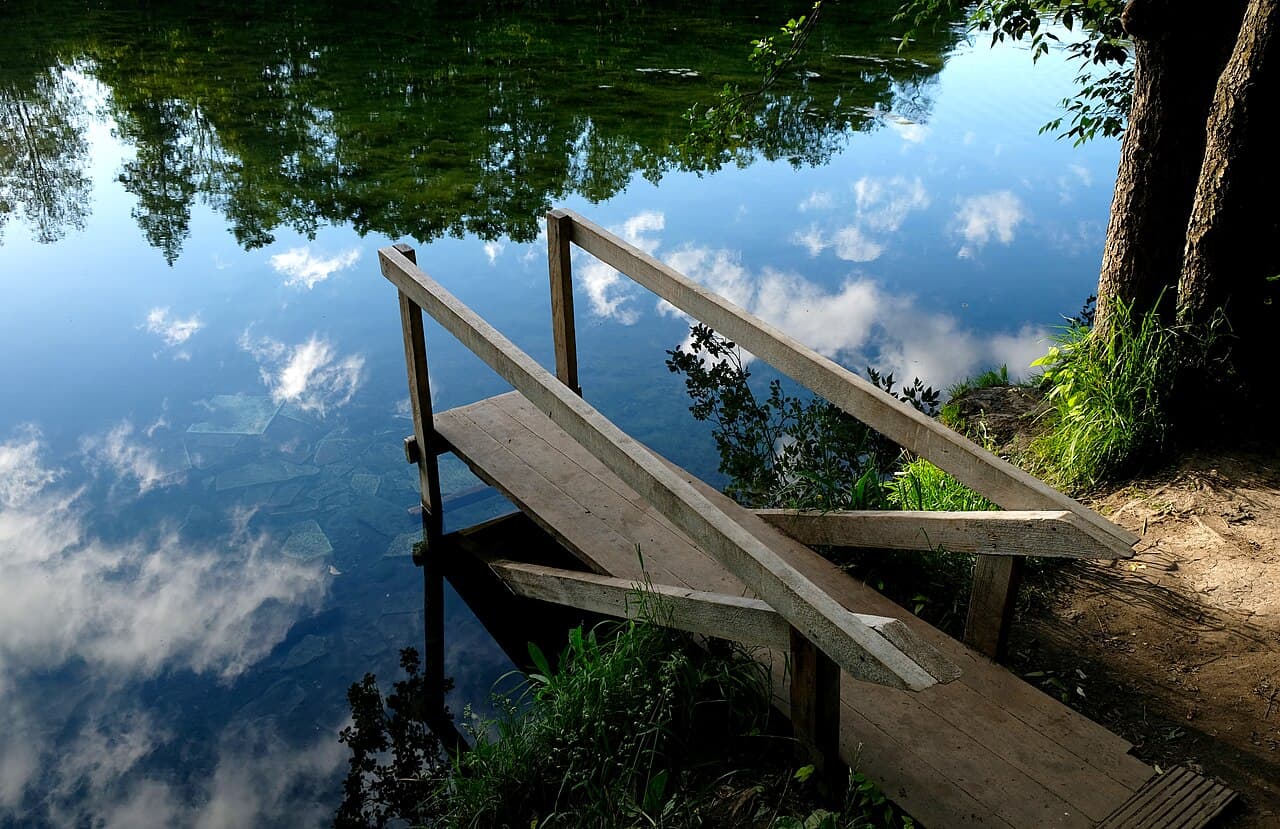
The Blue Lakes on the northern edge of Kazan are a protected nature area with a chain of karst lakes whose water stays cold and crystal clear all year round. The quest "Secrets of the Blue Lake" runs here and is listed in the national selection of popular-science routes as an "open-air laboratory".
How the quest works
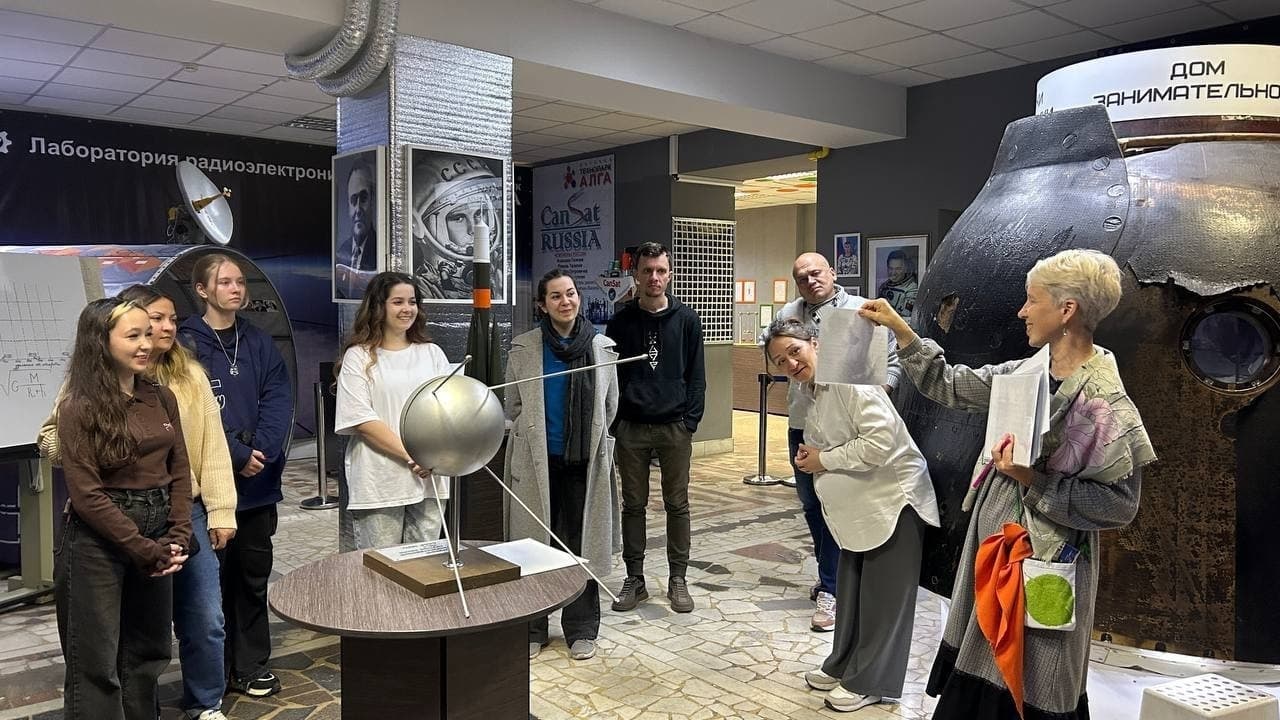
The House of Entertaining Science and Technology on Tukay Street is Tatarstan's main interactive science museum. It occupies the historic former Furriers' House of Culture, and its exhibits are meant to be touched.
What visitors see and try
children, teenagers and adults; great for a family weekend and for school classes that want hands-on physics.
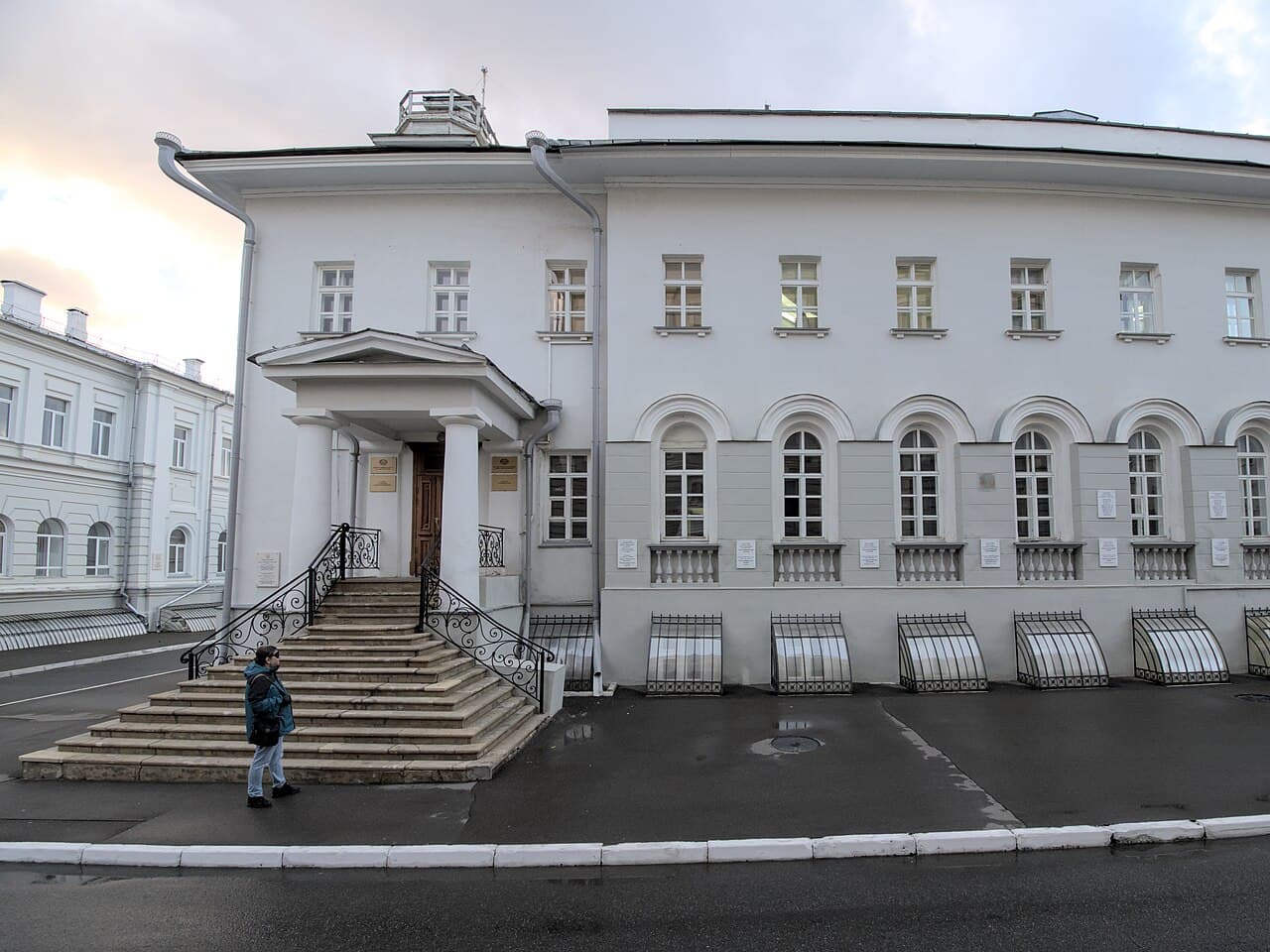
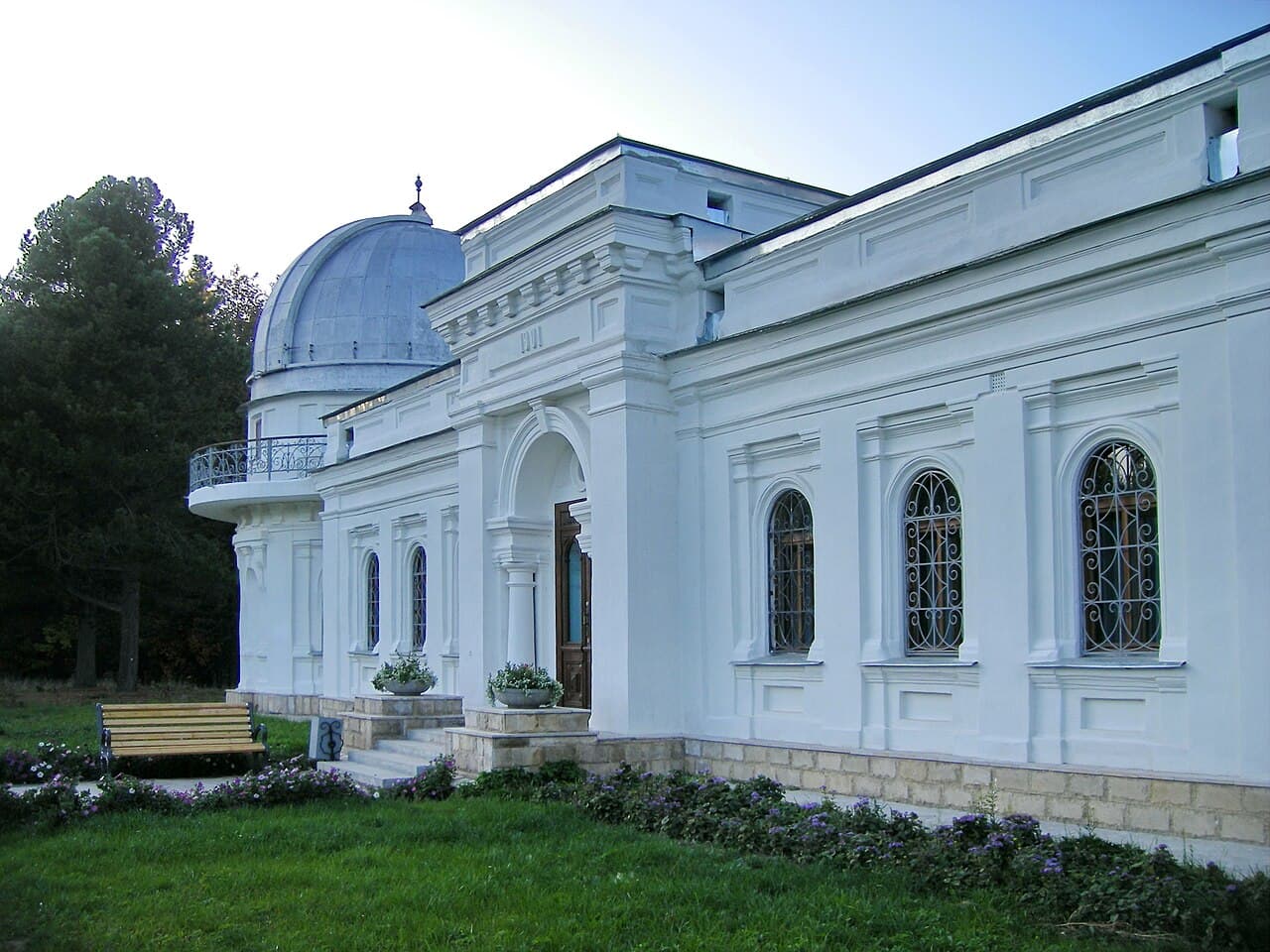
The V.P. Engelhardt Astronomical Observatory of Kazan Federal University (Oktyabrsky village, Zelenodolsk district) is an early-20th-century science campus; seven of its buildings are listed as Tatarstan heritage sites. Next to it stands the KFU Planetarium, the only one in Russia built on the grounds of a working observatory.
Observatory overview tour (1.5 hours)
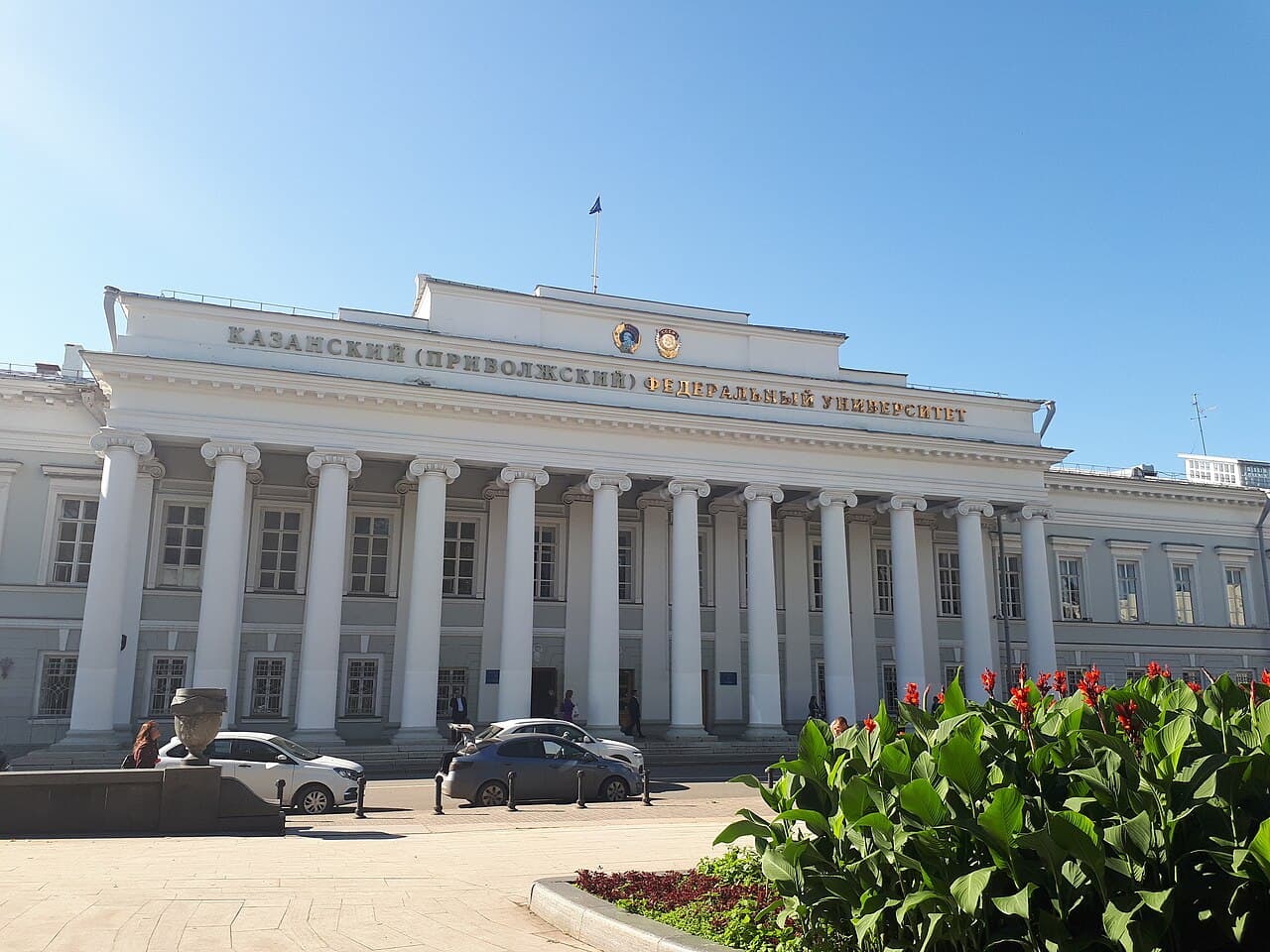
The Zoological Museum of Kazan University is one of Russia's oldest. It occupies eight halls on the second floor of the east wing of the KFU main building. The tour "Diversity of Earth's Animal Life" covers the zoology departments — invertebrates and vertebrates.
What you will see
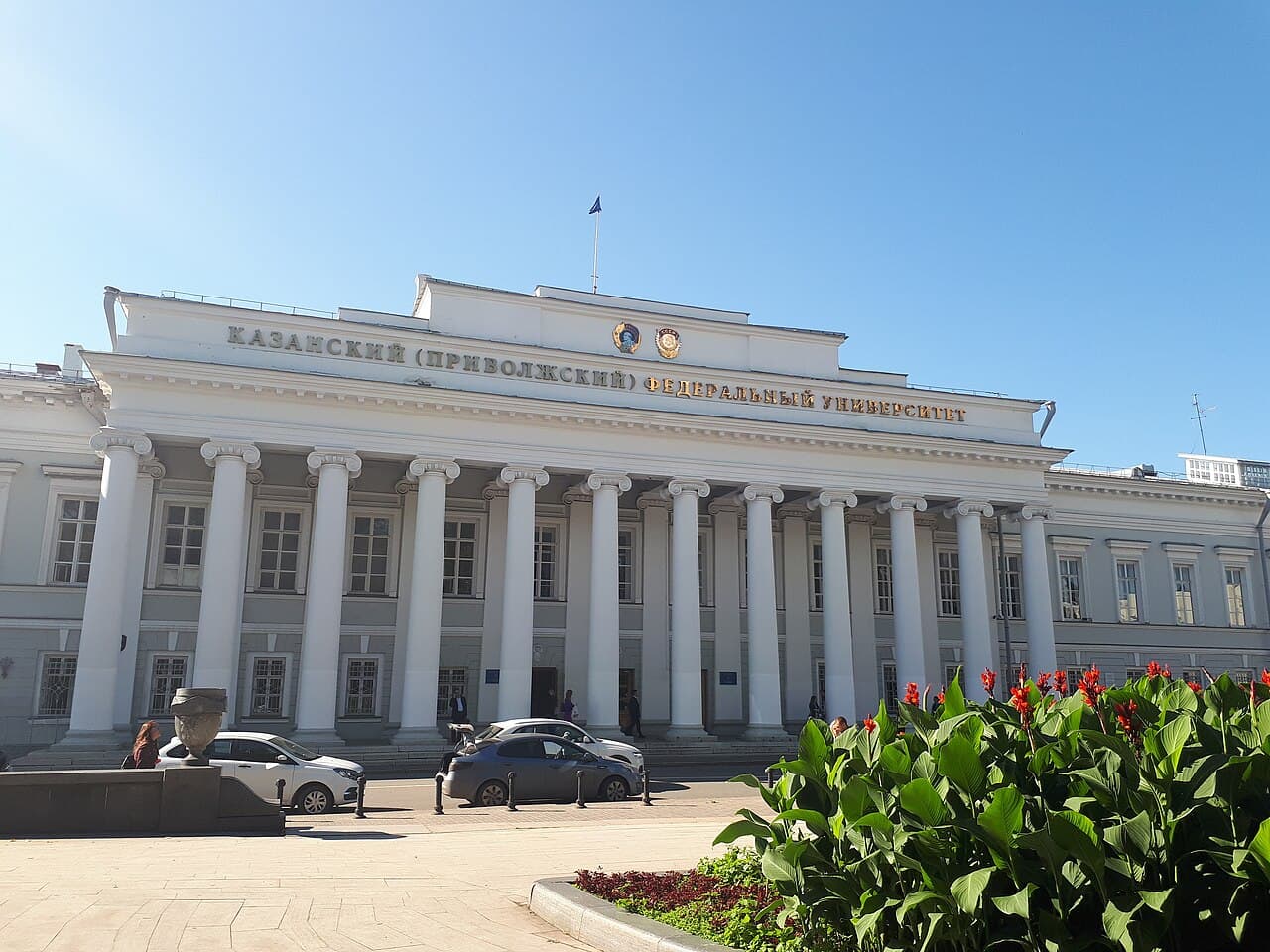
The E.K. Zavoisky Museum-Laboratory occupies the very room in Kazan University's main building where electron paramagnetic resonance was discovered in 1944. It hosts the museum class "Electricity Catchers" about how people studied and "tamed" electricity.
What happens in the class
The class is led by the head of the museum-laboratory. The museum also runs other children's sessions: "A Voice from Afar" on the invention of the telephone, "The Watchmaker", and a telegraph-history class.
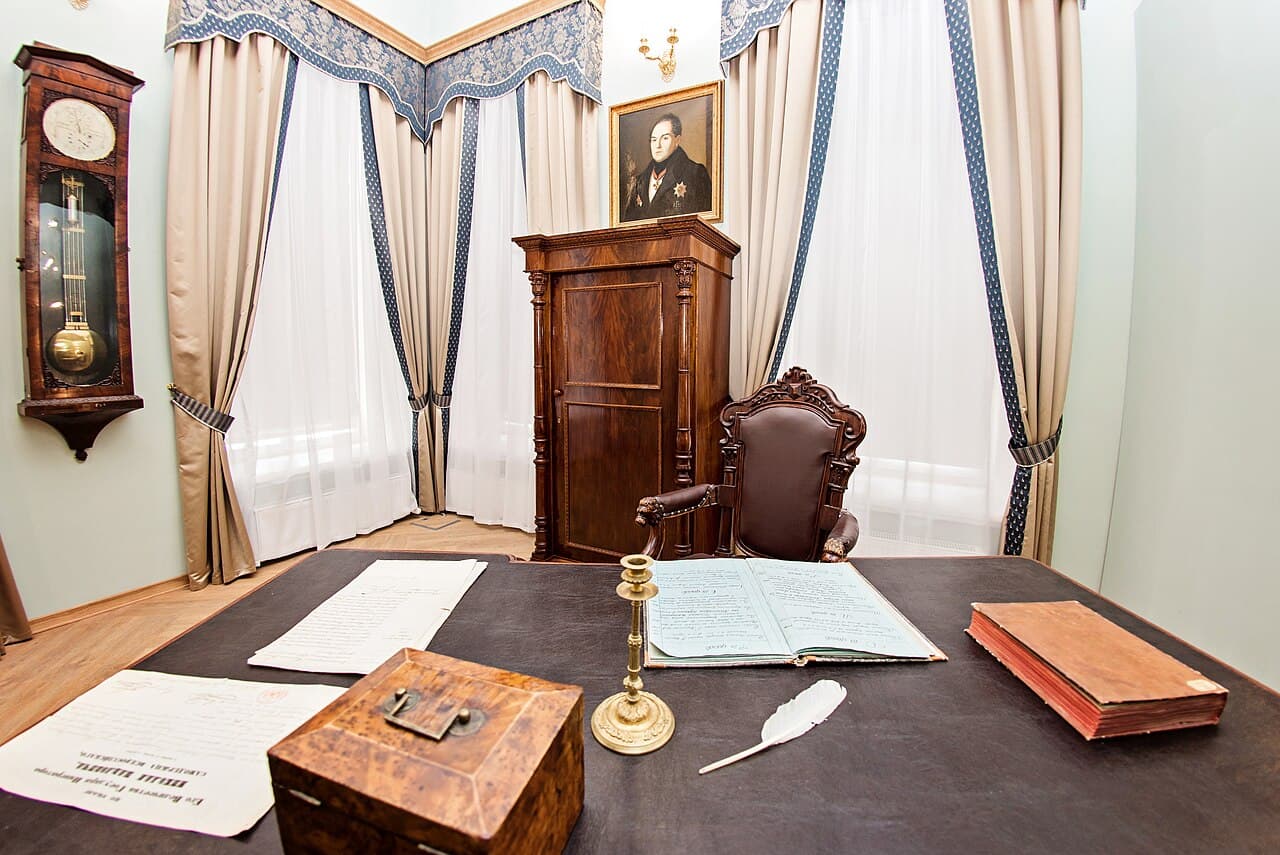
The N.I. Lobachevsky Museum opened in 2017 in Kazan University's "rector's house", where the great mathematician and creator of non-Euclidean geometry lived as rector. It runs a maths quest for school pupils.
How it works
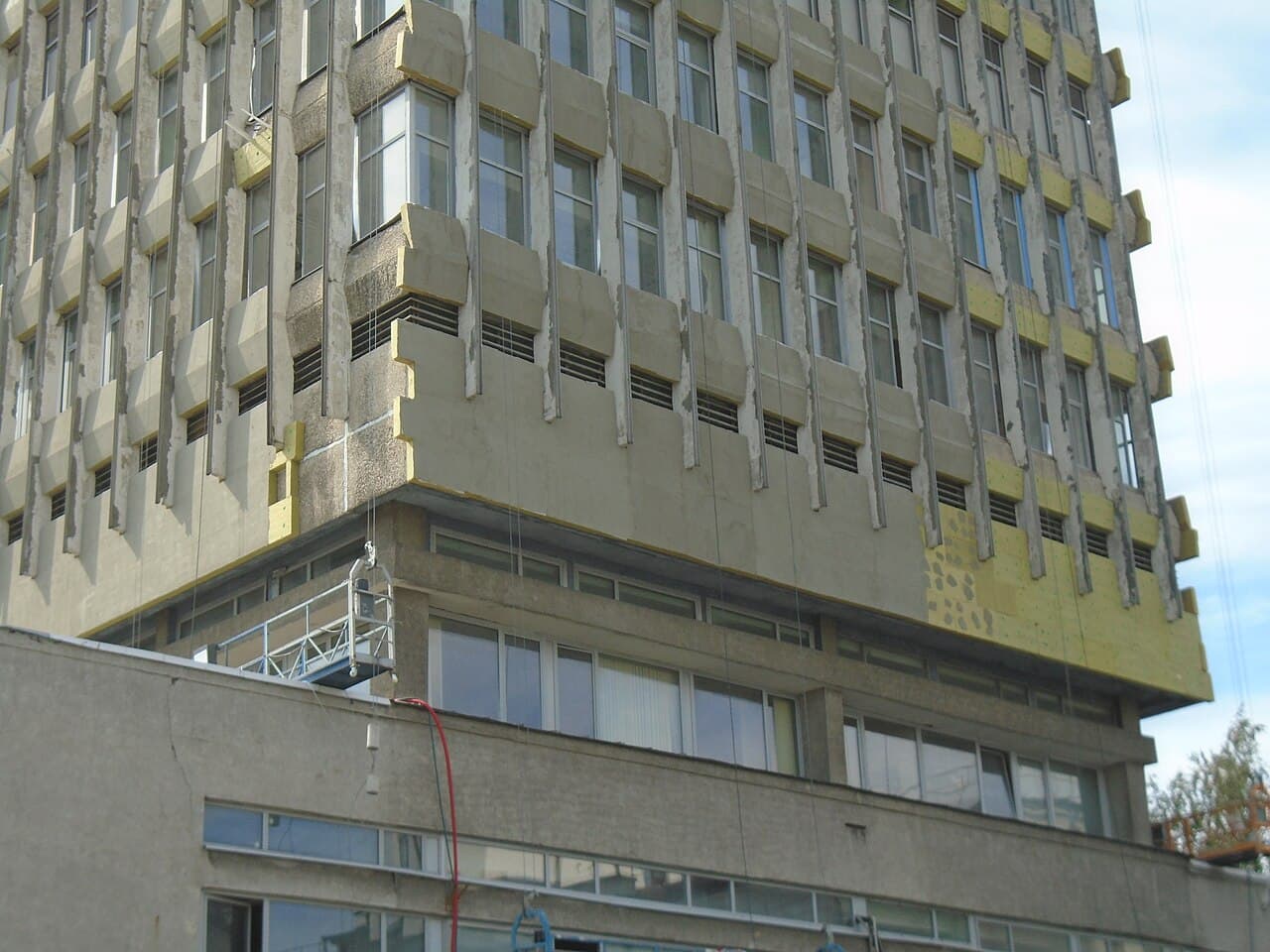
The Institute of Physics of Kazan Federal University is heir to the Kazan school of magnetic resonance. It runs tours for organised school groups in its high-rise building at 16A Kremlyovskaya Street.
Formats (per the institute website)
the undergraduate physics practicum and research labs — for example thin-film heterostructure synthesis and analysis, strongly correlated electron systems, and "Quantum simulators".
Audience: children and teenagers aged 7–17 — school classes, summer camps, families.
Practical notes
Price and dates on request from the organiser.
Practical notes
Price and dates on request from the organiser.
The Museum of the Kazan Chemical School is Russia's only chemistry museum of this scale. It occupies an 1830s building constructed specifically as the university's chemistry laboratory, where Claus, Zinin, Butlerov and other founders of the school worked.
How the quest works
Audience: pupils aged 7 and over, families, chemistry-focused classes.
Practical notes
Planetarium programme
The standard programme (about 1.5 hours) is a full-dome show in the Star Hall plus the interactive lobby (weigh yourself on other planets, a Bernoulli levitator, a tornado machine). Schools can choose children's sessions and themed lectures; on clear nights there are night shows with telescope observations.
Audience: families, school classes, students; planetarium groups of 10 to 83 people.
Practical notes
Add-on workshop "Green Micro-World": participants look at plant tissue, algae and yeast under a microscope (45 minutes, 7+, up to 5 people).
Audience: school pupils, biology students, families.
Practical notes
Audience: children aged 8 and over, families.
Practical notes
Price and dates on request from the organiser.
Audience: school classes and children over 7, families, young mathematicians' clubs.
Practical notes
Audience: school classes, especially physics and maths streams, and future applicants; works well for career guidance.
Practical notes